If there’s one truth driving restaurant success in 2026, it’s this: Value isn’t what you say it is, it’s what your guests say it is.
For today’s diners, perceived value is far more complex than mere price tags or meal deals. Guests are calibrating their loyalty based on convenience, personalization, and how well brands anticipate their priorities before—and after—the order. The battleground has shifted: value now lives in every interaction, touchpoint, and message along the customer journey.
Recent data published by QSR Magazine, drawing on William Blair’s restaurant tracker, puts this into sharp focus. The research looks past traditional pricing strategies to uncover what actually drives guest perception and behavior—especially as digital orders and loyalty programs become central to the restaurant experience.
The takeaways are clear: brands that reduce friction, make convenience a priority, and maintain meaningful engagement are earning stronger marks for value, no matter their price point.
Value Is Shaped by Experience, Not Just Expense
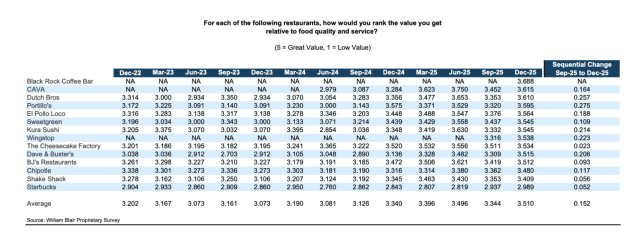
The old “best deal wins” mentality is long gone. The latest research shows guests are rewarding brands for how easily—and enjoyably—they can engage, not simply for the lowest price. Consider this: Black Rock Coffee was rated among the top QSRs for perceived value, even as it charged $4.91 for a hot Americano, outpacing Starbucks, which scored lower on value despite pricing the same drink at $4.51.
What this means for your text marketing strategy: Move your messaging beyond discounts. Highlight what makes experiences smooth, fast, or thoughtful. Use text marketing to alert guests to easier ordering, flexible pickup, or simple loyalty redemptions—not just percentage-off deals.
Inconvenience Is the Top Churn Factor
One of the most telling findings from the QSR/William Blair analysis is that for about 70% of brands tracked, guests cited inconvenience more often than high prices as the primary reason they stopped engaging.
But convenience can be surprisingly subjective. Morning commuters may value speed, college kids may appreciate late-night delivery hours, and lunchtime diners may prioritize a frictionless online ordering process.
If your value messaging is one-size-fits-all, it will miss what truly matters to each type of guest.
What this means for your text marketing strategy: Segment your messaging by how different groups define convenience, and tailor outreach to the unique audiences different franchise locations serve. Let delivery-first customers know about fee relief during bad weather. Alert loyalty members when rewards are about to expire.
Remote Interactions Dominate
The days of relying on in-store signage and communication to entice customers has passed. According to William Blair’s survey about 70% of customer interactions are off-premises. Around 65% of respondents report their delivery and/or takeout frequency has increased since before the pandemic. In short, in-person marketing simply can’t engage the majority of customers as it once did.
Now, the brand relationship is shaped through remote touchpoints: mobile ordering flows, loyalty programs, personalized reminders, notifications, and helpful follow-ups.
What this means for your text marketing strategy: Think of text messaging as your direct line to guests wherever they are. Use it to announce new menu items, promote limited-time offers, and upsell add-ons or meal bundles. Well-timed, targeted texts can drive awareness, boost check sizes, and encourage guests to try something new.
→ Fresh Marketing Tactics for Quick Service Restaurants (QSR) and Fast-Food
Loyalty Programs: The New Center of Gravity
Loyalty engagement is at an all-time high and it’s quickly becoming a top factor in restaurant choice:
- 83% of respondents in December reported actively participating in loyalty programs—up markedly from last year.
- Younger guests are even more highly engaged (87% under age 60 participate, compared to 66% over 60).
- Loyalty is no longer a second-tier concern: 79% say these programs influence where they choose to eat.
But being “signed up” is just the starting point. The real value comes from keeping loyalty members engaged, understanding their rewards, and giving them reasons to visit again.
What this means for your text marketing strategy: Use texting to make loyalty members feel like VIPs by sending clear updates about upcoming rewards, birthday offers, and exclusive early access to new menu items. Voxie even automatically identifies members at risk of disengagement, enabling you to target them with specialized win-back campaigns.
→ Fresh Marketing Tactics for Quick Service Restaurants (QSR) and Fast-Food
Additional Strategies for Conveying Value to QSR Customers Via Text Messaging
Leverage SMS as a Tool for Zero-Party Data Collection
There’s no substitute for asking guests directly what matters most to them. With SMS, quick surveys or polls can uncover what individuals care about the most—like new menu items, seasonal discounts, or text-to-win-sweepstakes—with minimal friction.
Each response becomes valuable zero-party data, helping you personalize messages, refine offers, and strengthen customer relationships over time. The result is a feedback loop where future texts speak directly to what recipients care about the most.
Keep Every Message On-Brand and Consistent Across Locations
Brand trust hinges on consistency. In a franchise system, a unified message is key—even as individual locations customize content for their audiences. By using brand-approved templates and centralized messaging guidelines, franchises can ensure every SMS upholds brand voice and compliance while allowing for local nuance. Customers experience the same quality and tone across every interaction.
Test and Optimize Messaging for Each Location’s Audience
Franchises can track campaign performance by region to pinpoint which value propositions connect best with each local customer base. Various text marketing metrics—such as open rates and redemption rates—reveal what’s working, whether it’s time-sensitive promotions, tempting visuals, or friendly reminders.
→ Best Software for QSRs: POS & Other Restaurant Management Tools
Deliver Real Value at Every Touchpoint With Voxie
As guest expectations evolve, value is won or lost in the details: the right message, timed perfectly, and tailored to each customer’s context. That’s where Voxie stands out.
Voxie is the only text marketing platform built for franchises and multi-location businesses. Franchisors maintain control over brand, compliance, and dashboard visibility, while franchisees are empowered to tailor and send localized campaigns. Features like segmented audience lists, flexible billing by location or group, role-based access, and centralized analytics ensure every stakeholder has the access—and oversight—they need, without sacrificing autonomy or brand safety.
For QSRs, this means messaging that matches the speed and nuance of their business. National menu drops, local store promotions, loyalty nudges, and at-risk guest win-backs can all be managed and measured at scale. At the same time, you have the agility to adapt to local guest preferences and behaviors.
Schedule a quick demo of Voxie to see how QSRs use SMS, MMS, and RCS to segment by guest needs, automate loyalty and win-back campaigns, and keep every message on-brand—without slowing local teams down.

About the Author
Adam Waid
CEO at Voxie