
Lifecycle marketing is concerned with the various phases a customer goes through as they journey from awareness to conversion to advocacy. Any comprehensive strategy will drill down into the individual touch points, all the while considering what medium and messaging will solve points of friction and encourage further action.
For a fuller explanation, read our full guide to lifecycle marketing strategies. However, below are handpicked real-world marketing examples for the various stages, demonstrating how you can put principles into practice.
Marketing Examples to Build Awareness
Awareness kicks off the marketing lifecycle for any customer. This can be achieved through a broad range of methods, from building an eye-catching window display to digital marketing to sponsored press.
There are truly infinite examples to be found in the wild, spanning every industry and channel, and lifecycle marketing remains the subject of much discussion, experimentation, and innovation among marketers seeking to connect meaningfully with customers at every stage.
Marketing Examples to Boost Engagement and Build Connections
While some audiences may jump immediately from awareness to conversion, others will need time to reach their decision—especially if you’re promoting “big ticket items” or services that naturally have a longer sales cycle.
The engagement stage of the marketing lifecycle is where curiosity deepens and relationships begin to form. Perhaps this is where prospects evaluate their options, seek out more information, and consider your brand’s unique value. The goal is to nurture interest, educate, and build trust. Therefore, flesh out your lifecycle marketing strategy with valuable free content, ideally positioned to further capture contact information. Examples include:
Interactive, Quick Access to Experts to Help Customers Solve Personalized Problems
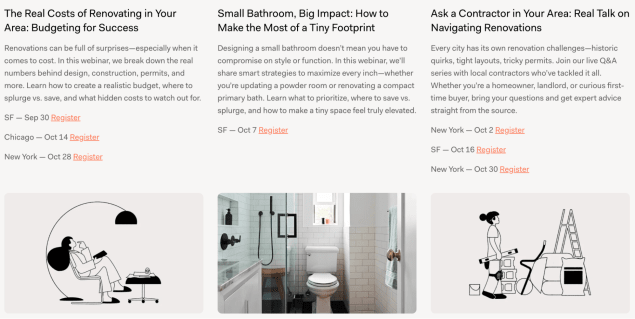
For example, Block Renovation hosts webinars in which anyone can pose questions directly to their team about remodeling and design. In order to participate, people must sign-up, agreeing to receive future marketing communications.
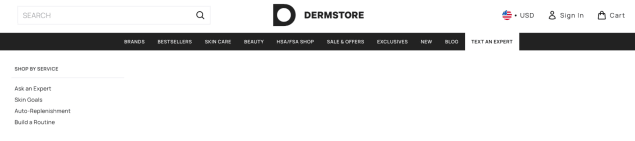
In another example similar to the above, Dermstore has a CTA to “text an expert” right in their website’s top navigation. This means that potential customers can ask for product recommendations or general skincare questions, heightening the likelihood of the user purchasing with Dermstore.
Using website pop-ups and banners to offer savings in exchange for subscriber information
Website pop-ups and banners remain one of the most effective ways to capture a visitor’s contact information during the engagement stage of the lifecycle. By offering an appealing incentive, such as a discount or a free item, brands can encourage hesitant shoppers to take the next step and opt in to future communications.
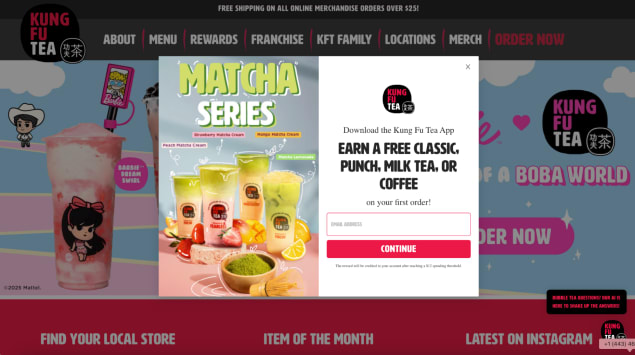
For example, Kung Fu Tea greets visitors with a pop-up offering a free drink when they download the brand’s app and provide their email address. This not only entices first-time customers to make a purchase but also enables Kung Fu Tea to further nurture the relationship through personalized promotions, push notifications, and loyalty rewards within their app.
Lifecycle Marketing Examples for the Consideration Stage
Build a System of Lead Nurturing While Also Feeling Personal
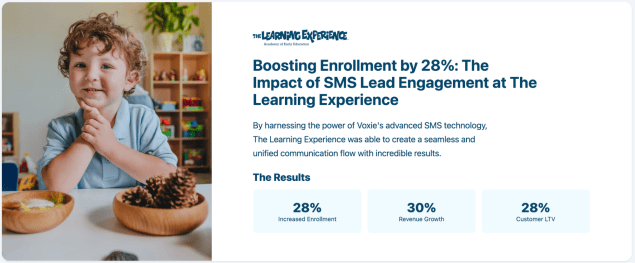
For an example of this lifecycle marketing principle in action, look at this case study from Voxie. The early childhood education franchise, The Learning Experience, automated the deployment of a proven lead nurturing flow across all franchise locations, taking away the burden of having the individual locations follow up manually. However, by using Voxie’s SMS platform, they communicated using localized numbers and built-in personalization, making the resulting messages feel genuinely tailored and relevant to each recipient. The result? Enrollment improved by 28%.
Identify and Address Customers’ Concerns
Sales enablement materials are a key component of lifecycle marketing. While the term is most commonly associated with B2B, the underlying lessons are equally valuable in B2C contexts. By leveraging insights from social listening, customer surveys, and feedback from your sales team, you can identify and proactively address the questions, concerns, and motivations that influence potential buyers as they evaluate your products or services. Ways to give them clarity can include:
- Case studies
- Product demonstrations
- Free trials or product samples
- Detailed FAQ sections addressing common objections
- Customer testimonials and social proof

Partner With Related Businesses to Offer Their Products Alongside Yours to Further Incentivize Conversions
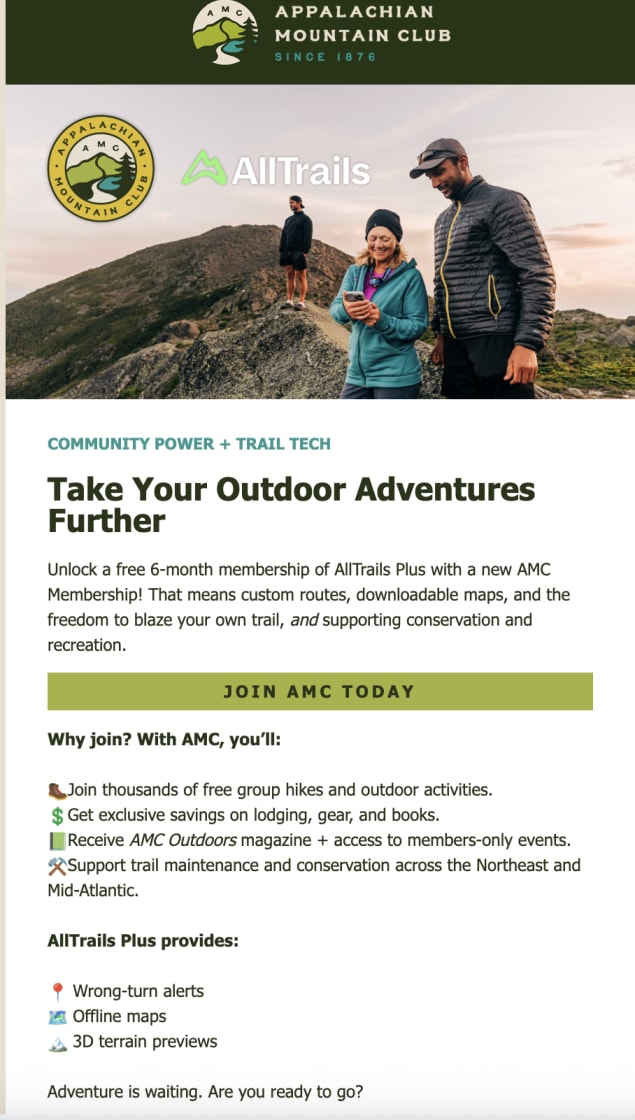
A marketing example tied to this stage of the customer lifecycle can be found in this email from the Appalachian Mountain Club, sent to a non-member email subscriber. Here, they “sweeten” the offer to join by gifting free membership to AllTrails. In turn, AllTrails receives greater awareness and the opportunity to grow their own contact list, making it a win-win for both brands.
Retention and Loyalty Marketing Examples
One of the worst mistakes a company can make is taking its existing customer base for granted. The relationship doesn’t end after the first sale—if anything, that’s where the real work begins. Ongoing marketing to your loyal customers not only keeps your brand top of mind, but also drives repeat purchases and long-term advocacy. Retaining happy customers is not only more cost-effective than constantly chasing new ones, but loyal customers are also more likely to refer friends, leave positive reviews, and offer valuable feedback that can help your business grow.
Build a Loyalty Rewards Program
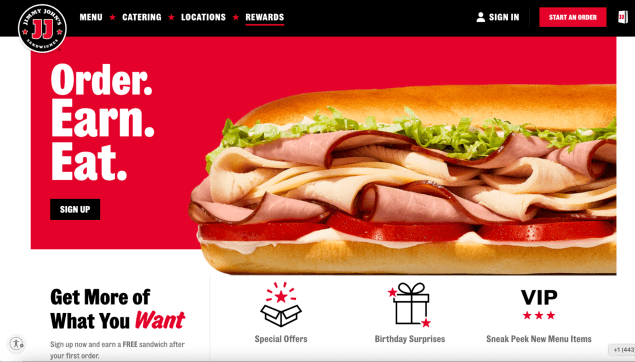
A well-designed loyalty rewards program encourages repeat business by recognizing and rewarding your customers for their ongoing support, making it a tentpole of your lifecycle marketing efforts. By offering points, perks, or exclusive benefits, you give customers a tangible reason to choose your brand again and again. Over time, these programs not only increase retention but also convert satisfied shoppers into passionate brand advocates. For a prime example of this strategy, check out Jimmy John’s program or read our article about QSR marketing tactics.
Deliver the Right Discounts the Right Way
For an example of lifecycle marketing done right, consider this Voxie case study. Sonic Drive-In had been sending limited time-offer deals to their subscribers but found that redemption rates were concerningly low. The answer for them wasn’t to change the deal itself, but rather how they promoted it. They added SMS to the mix, and found that it helped circumvent the low engagement they found through alternative channels, like push notifications in email. This shift resulted in a threefold increase in redemption rates for limited-time offers, with SMS outperforming email by 45% and push notifications by 57%.

Change Up Both Your Offering and Your Messaging to Keep Customers Intrigued
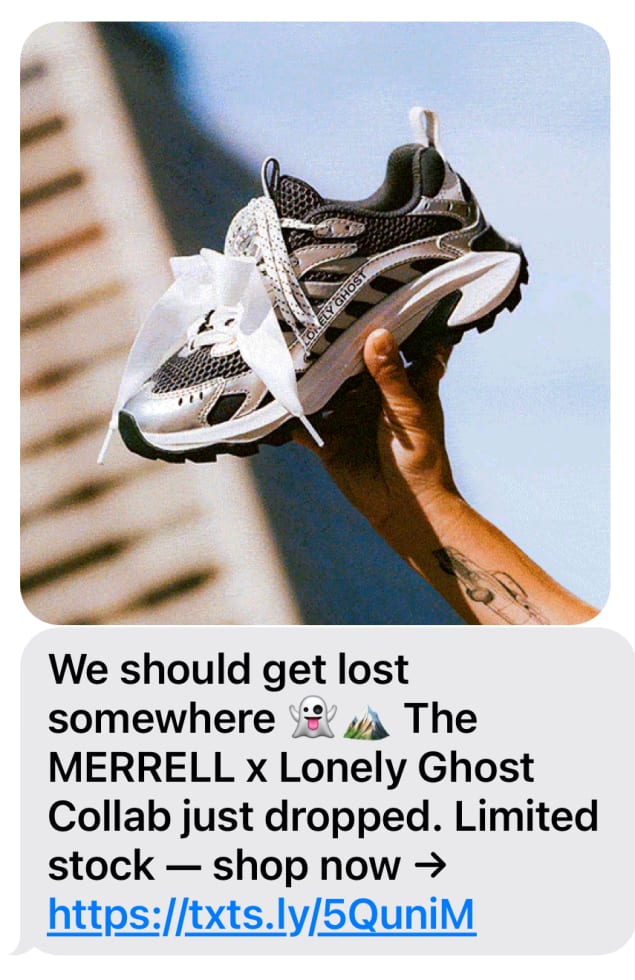
Keep your brand fresh in customers’ minds by regularly introducing new products, services, or exclusive experiences. Pair these offerings with creative, personalized messaging that sparks curiosity and motivates repeat engagement. Take, for example, this MMS message from Merrell, highlighting their latest shoe line.
Marketing Examples to Help Turn Customers into Advocates
Turning customers into advocates is one of the most powerful—and final—stages of the marketing lifecycle. Loyal customers who share their positive experiences with friends, family, or on social media become influential ambassadors, driving new business through word of mouth. This kind of authentic advocacy is often more persuasive than traditional marketing and fuels long-term growth for your brand.
Promote Your Referral Program to Your Customers
Building a referral program isn’t enough—you must promote it! Bring awareness to it by highlighting the program across your website, email campaigns, social media, and even at the point of sale. Additionally, ensure the benefit is worthwhile. For example Eldredge Cleaning awards a $125 discount for every new referral.

Incentivize Followers to Vote in Local Competitions
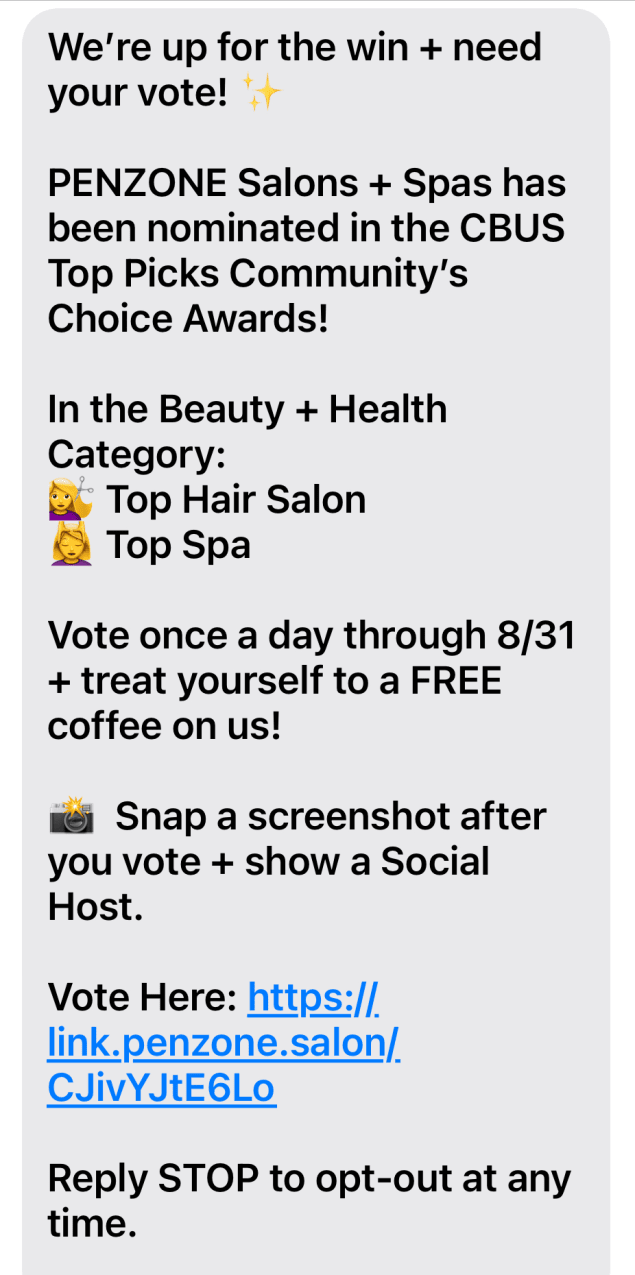
In the lifecycle marketing example below, Penzone engaged their SMS subscribers by announcing their participation in a competition and making it effortless to vote through a direct link. To further motivate action, they sweetened the deal with a free coffee incentive for those who participated. For more inspiration and industry-specific strategies, check out our guide, Grow Your Salon Business with Text Message Marketing.
Motivate Customers to Share Your Brand on Social Media
Social media has become one of the most powerful tools for amplifying your brand’s reach—when customers share positive experiences online, their authentic voices can spark interest and trust among their friends and followers. These organic endorsements drive new discovery, create community, and deepen loyalty in ways traditional advertising can rarely match.
There are two types of ways you can encourage customers to share your brand on their social media feeds, starting with indirect motivation. Indirect motivation might include creating visually striking products, such as uniquely colored ice cream, or designing a fun photo-ready backdrop or mural inside your store—elements that naturally inspire customers to snap and share their experiences.
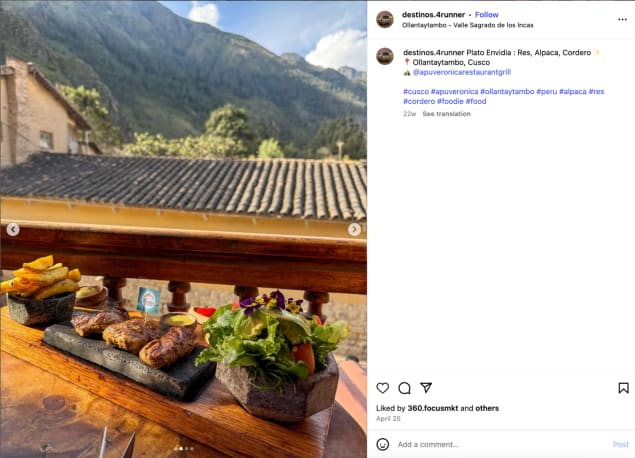
Take, for example, the restaurant Apu Veronica, which cleverly places small branded flags in many of their dishes. This simple touch ensures that when customers share photos of their meals on social media—like this Instagrammer—the restaurant’s name is prominently featured in almost every shot.
Direct motivation involves clear calls to action, such as encouraging customers to post a photo with a specific hashtag in exchange for a small reward or entering them into a giveaway for tagging your brand in their story. Both approaches turn your customers into enthusiastic brand ambassadors, fueling sustainable lifecycle growth.
How SMS Can Benefit Most Stages of Lifecycle Marketing
Look at the examples throughout this article, and you’ll notice that many are built on text message marketing, and for good reason. SMS is well-suited because:
- Sends messages instantly to customers’ phones
- Achieves an impressive 98% open rate
- Personalizes offers and updates easily
- Can be triggered by a variety of customer behaviors
- Automatically follows up based on actions like sign-ups, purchases, or inactivity
- Makes it easy for customers to reply or take action right away
Voxie empowers franchises to execute lifecycle marketing strategies by automating personalized SMS campaigns across every stage of the customer journey. Its platform allows multi-location brands to deliver relevant, timely messages that nurture leads, drive higher conversions, and boost customer retention—all while maintaining a local, authentic feel.